

What Causes Concrete to Sink? Common Reasons, Implications, and Fixes
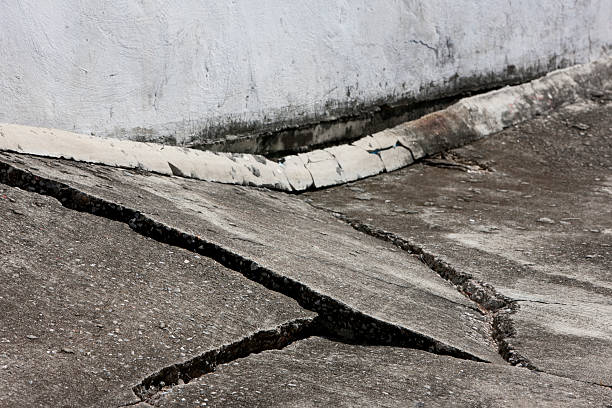
Concrete is widely used in residential and outdoor construction because of its strength and long service life. Over time, some surfaces begin to shift or drop unevenly, a condition known as concrete sinking. It usually develops gradually, showing up as uneven slabs, cracks, or low areas where water tends to collect.
These changes often point to movement beneath the surface rather than damage on top, making it important to look deeper into what is happening below the slab.
In this blog, you will learn:
- The purpose of concrete in residential spaces
- The causes of concrete sinking
- The signs and effects of sinking slabs
- The common fixes, from repair to full concrete replacement
Purpose of Concrete in Residential Spaces
Concrete is one of the most widely used materials in home construction because it delivers long-term strength and stability across different applications. It supports both structural and everyday functional needs, making it a core element in residential design.
Here are the roles of concrete and how they function for your home:
- Driveway systems. Provides a stable surface that supports repeated vehicle weight without shifting easily.
- Walkways and access paths. Creates safe, even routes that connect different parts of the property.
- Outdoor living areas. Forms patios and entertainment spaces that withstand weather exposure and daily activity.
- Structural foundations. Supports garage floors, basement slabs, and load-bearing elements of a home.
- Long-term ground stability. Helps distribute weight evenly when properly installed with a prepared base layer.
Common Causes of Concrete Sinking
Concrete sinking develops from conditions beneath the slab rather than the surface itself. These changes often happen gradually, making early signs easy to overlook.
Soil Settlement and Loose Ground
Soil naturally shifts over time, especially when it was not fully compacted during construction. As the ground settles unevenly, gaps form under the slab and sections begin to drop, which are typically observed in newly developed areas or properties with recently disturbed soil.
Water Erosion and Drainage Problems
Water can wash away supporting soil beneath concrete, especially in areas with poor drainage. Over time, this creates empty spaces that weaken the slab’s base. Gutters, slopes, and surface runoff often contribute to this type of erosion.
Heavy Load Pressure Over Time
Repeated pressure from vehicles or heavy equipment compresses the soil underneath concrete surfaces. Driveways in high-traffic areas like concrete in Morris County, NJ, are exposed to gradual sinking from long-term weight stress.
Seasonal Changes Affecting Concrete
Temperature fluctuations cause soil to expand and contract throughout the year. Freeze-thaw cycles can slowly weaken support beneath slabs and create movement over time. These changes often become more noticeable after colder seasons.
Poor Installation and Base Preparation
Weak or uneven base preparation during installation can lead to early shifting. If the soil beneath the slab was not properly compacted, sinking may begin sooner than expected.
Effects of Sinking Concrete
Sinking concrete affects both safety and performance, and the impact often increases as movement continues.
- Uneven walking surfaces. This creates trip hazards in pathways and entry areas.
- Water pooling. Low sections collect water and lead to drainage problems.
- Structural stress. Nearby slabs or edges may crack due to shifting pressure.
- Surface deterioration. Visible sinking reduces overall curb appeal.
- Progressive damage. Small shifts can expand into larger structural issues over time.
Best Solutions for Sunken Concrete
The right solution depends on how severe the sinking is and the condition of the slab beneath it.
Slab Leveling or Lifting
This method raises sunken areas by filling voids underneath the slab. It restores surface height without full removal. It works best when the concrete is still structurally sound but has shifted due to soil movement.
Foam Injection Repair
Expanding foam is injected beneath the slab to lift and stabilize it. It spreads evenly and provides support without adding heavy weight. This is commonly used for smaller residential areas or localized sinking.
Full Concrete Replacement
Severely damaged slabs may require full removal and replacement. This includes rebuilding the base and installing a new surface. This approach is often applicable for cases, such as concrete driveway replacement in North Jersey, when structural stability cannot be restored through repair.
Targeted Concrete Repair
Minor sinking combined with surface damage can be addressed through concrete repair. This helps stabilize early-stage issues before they worsen.
Working With a Concrete Contractor
Sinking concrete is tied to conditions beneath the surface, which makes proper assessment important before choosing a solution. A professional contractor evaluates both the slab and the soil underneath to identify what is causing the movement.
Experienced teams handling concrete repair and installation projects can determine if leveling, repair, or full replacement is the more practical option based on site conditions. This helps avoid unnecessary work while addressing the real source of the issue.
Restore Stability With the Right Concrete Solution
Concrete sinking develops slowly, but it often signals deeper issues beneath the surface. Identifying the cause early helps limit further movement and reduces the risk of larger structural damage.
At KRR General Contractor, we provide professional evaluation and solutions for sinking slabs. We deliver repair and replacement options based on site conditions and long-term performance needs.
If you are dealing with sinking concrete or want a professional assessment of your property, reach out to our team for expert guidance and reliable solutions tailored to your needs. Get in touch with us today to discuss your project and explore the best repair or replacement options.
Frequently Asked Questions
What causes concrete to sink over time?
The most common cause is soil movement beneath the slab. This can result from poor compaction, water erosion, or natural settling of the ground over time.
Can sinking concrete be fixed without replacing it?
Yes, in many cases. Leveling or foam injection can restore the surface if the slab is still in good structural condition. Replacement is only needed when damage is extensive.
Does the weather affect sinking concrete?
Yes. Seasonal changes affecting concrete, especially freeze-thaw cycles, can weaken soil support and contribute to shifting over time.
Is sinking more common in driveways?
Driveways experience more sinking due to repeated vehicle loads and constant pressure on the underlying soil.
When should concrete be replaced instead of repaired?
Replacement is usually recommended when sinking is combined with widespread cracking, repeated repair failures, or unstable soil conditions that no longer support the slab.