

What to Expect During a Roof Replacement Project
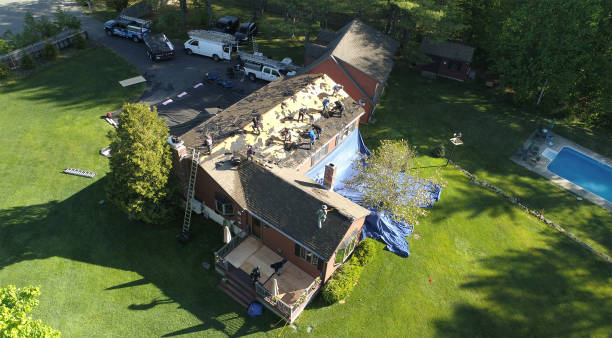
A roof replacement is a major exterior project that naturally raises questions about disruption, timing, and what happens once work begins. Homeowners can expect visible activity from the start, including crew movement, material delivery, noise, and temporary limitations around outdoor spaces.
The roof replacement project timeline gives homeowners a better understanding of how the project progresses from preparation to final cleanup. Although every home is different, most roof replacements follow a similar sequence that helps keep the work organized and efficient.
In this blog, you’ll learn:
- What happens before roof replacement begins
- How the roof replacement process is structured
- What homeowners should expect during each phase
- Factors that influence project duration
- How preparation helps reduce disruption
What a Roof Replacement Actually Involves
A roof replacement is more than removing old shingles and installing new ones. It involves a comprehensive evaluation of the roofing system, including both visible and hidden components. This includes structural checks, material replacement, and installation of a new roofing system built for long-term performance.
For homeowners planning roof replacement in North Jersey, the process is typically managed by a licensed contractor who oversees safety, sequencing, and installation quality from start to finish.
In most projects, the work generally includes:
- Full removal of existing roofing materials
- Inspection of roof deck and underlying structure
- Repairs as part of roof repair and replacement, if needed
- Installation of new roofing layers and components
- Final cleanup and completion inspection
Roof Replacement Project Timeline Explained
The roof replacement project follows a series of stages rather than a fixed schedule. While some residential projects are completed quickly, others may take longer depending on the roof size, weather conditions, material availability, and whether repairs are needed along the way.
Knowing what typically happens at each stage helps homeowners prepare for the project with realistic expectations.
Preparing for Installation
Before work begins, the roofing contractor confirms the project schedule, coordinates material delivery, and prepares the property for installation. Homeowners also receive guidance on simple steps that help minimize disruptions once construction starts.
To prepare for the project, homeowners are commonly encouraged to:
- Move vehicles away from the driveway to allow room for equipment and materials.
- Clear outdoor furniture, grills, and decorative items near the home.
- Secure fragile items in the attic or on interior walls that may be affected by vibrations.
- Plan for daytime construction activity and temporary noise.
These preparations help crews work efficiently while reducing interruptions throughout the installation.
Roof Removal and Initial Inspection
Once installation begins, crews remove the existing roofing materials to expose the roof deck underneath.
After the tear-off is complete, the exposed roof deck is inspected to determine whether it is ready for the new roofing system. This allows contractors to identify any structural concerns before new materials are installed, helping prevent problems from being concealed beneath the finished roof.
During this phase, homeowners can typically expect:
- Consistent construction noise from tear-off work and equipment.
- Frequent crew movement around the property.
- Temporary restrictions around driveways and outdoor areas.
- Ongoing debris removal to keep the worksite organized.
Structural Repairs When Necessary
Some projects move directly into installation, while others require structural repairs before new roofing materials can be installed.
If the inspection reveals deteriorated decking, moisture damage, or weakened framing, those areas are repaired first to provide proper support for the new roof.
When repairs are necessary, the contractor explains the findings and completes the required roof repairs and replacements before installation resumes.
Although this stage may extend the overall project timeline, addressing these issues early helps improve the roof’s long-term performance.
Typical work during this phase may include:
- Replacing damaged roof decking.
- Reinforcing weakened structural areas.
- Repairing moisture-related deterioration.
- Preparing the surface for the new roofing system.
Installing the New Roofing System
Once the roof structure has been approved, installation of the new roofing system begins. Protective underlayment, flashing, ventilation components, and the finished roofing material are installed in sequence to create a durable, weather-resistant roofing system.
Projects involving metal roofing may require specialized techniques performed by experienced metal roof installers in North Jersey, in accordance with manufacturer specifications for proper installation.
Throughout this phase, homeowners will generally notice:
- Steady activity from roofing crews.
- Ongoing use of construction tools and equipment.
- Visible progress as the new roof takes shape.
- Limited access to certain outdoor areas while work continues.
Final Inspection and Cleanup
Before the project is officially completed, the contractor performs a final walkthrough to review the finished installation and answer any remaining questions.
Homeowners may also receive maintenance recommendations to help maximize the expected roofing lifespan and learn when future roof repair services in North Jersey may be beneficial.
The final stage typically includes:
- Removal of roofing debris and leftover materials.
- Magnetic nails sweep around the property.
- Final inspection of the completed roof.
- Maintenance guidance and warranty review.
What Can Affect the Roof Replacement Project Timeline?
Several factors can influence how quickly a project moves from one stage to the next, including:
- Roof size and design complexity
- Weather conditions during installation
- Material availability and scheduling
- Hidden structural issues were discovered during the tear-off
- Seasonal demand for roof repair services in North Jersey
Each of these factors can extend or shorten the timeline depending on site conditions.
Plan a Roof Replacement That Lasts
Knowing what to expect throughout the roof replacement project timeline can make the process less overwhelming and help homeowners prepare for each phase with confidence. Working with an experienced contractor also helps keep the project organized from start to finish.
At KRR General Contractor, we provide reliable roofing services in North Jersey, delivering quality workmanship tailored to each home’s needs. From the initial inspection to the final walkthrough, our team is committed to clear communication and dependable results.
Contact KRR General Contractor today to schedule your inspection and discuss the right solution for your roof repair and replacement needs.
Frequently Asked Questions
- How long does a roof replacement usually take?
Most residential roof replacements are completed within 1 to several days, depending on the roof’s size and complexity. Weather conditions, material availability, and any structural repairs discovered during the project can also affect the overall timeline.
- Will I need to leave my home during the project?
In most cases, homeowners can remain in their homes throughout the project. However, it’s important to expect daytime construction noise, vibrations, and temporary restrictions around certain outdoor areas while the work is in progress.
- What happens if hidden damage is found during the replacement?
If the contractor discovers issues such as deteriorated roof decking or moisture damage, those areas are evaluated before installation continues. Addressing these problems early helps provide a stable foundation for the new roofing system and prevents more costly issues later.
- Can bad weather delay a roof replacement project?
Yes. Rain, high winds, or other unsafe weather conditions may temporarily pause the project to protect both the roofing materials and the installation crew. Work typically resumes once conditions are safe and suitable for proper installation.
- Is cleanup included after a roof replacement?
Professional roofing contractors generally include cleanup as part of the project. This typically involves removing construction debris, performing a magnetic nail sweep around the property, and conducting a final inspection to confirm the area has been cleaned and cleared.